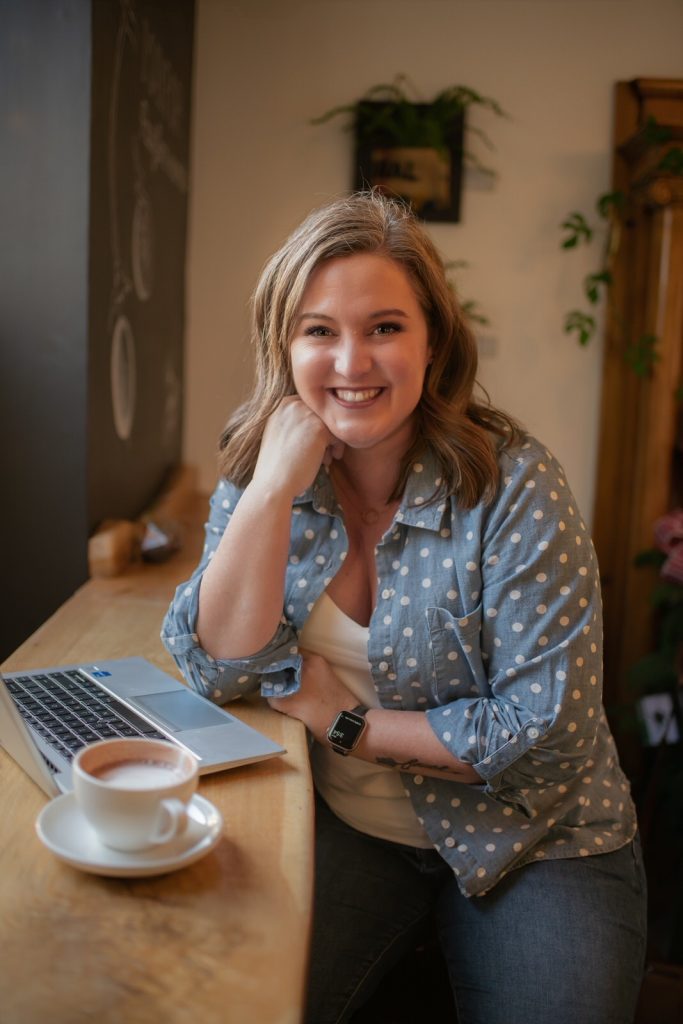
Like so many aquatic professionals, Kirsten Barnes grew up inside the ecosystem of
summers, swim lessons, and staff training.
She entered the community at 14, working at a pool concession stand and, since then, has built a career
that spans nearly every layer of the industry. She has served as a parks and recreation supervisor, director of management services for a lifeguarding firm, and in executive roles with two companies that developed software specifically for aquatics.
Today, Barnes is positioned to play a significant role in shaping the field as it progresses into the future. She serves as assistant director of the Association of Aquatics Professionals (AOAP), with a path to heading the organization in the future. And one of her first major projects addresses a subject that many in the industry are banking on to best position it for future success – research.
FROM THE LAB TO THE DECK
Barnes is helping undertake an ambitious project: turning scattered studies into a shared resource so
operators can build stronger programs, training, and water-safety cases.
Facility leaders and managers make dozens of decisions a day about staffing, surveillance, swim lessons, chemicals, and incident response, yet the research that could strengthen those decisions often
lives in academic journals, conference proceedings, and PDFs written for other researchers, Barnes says.
Important findings exist, but they’re hard to locate, harder to interpret, and hardest to apply when you’re trying to keep the deck covered and the schedule filled.
Barnes wants to change that. AOAP’s new research initiative, she says, is designed to function as a central clearinghouse — organizing credible studies, highlighting what’s most relevant, and helping members understand how to use data to support real-world decisions.
In her mind, research is not just information. It’s leverage. It becomes advocacy when it helps leaders translate lived operational realities into policy, funding, and community buy-in. For example, a well-timed study can strengthen a budget request, support a grant application, or help a manager justify more training hours, staffing levels, and swim instruction. AOAP’s initiative also is meant to reveal patterns across facilities, so operators can benchmark decisions instead of reinventing them.
Barnes is especially focused on translating what research means for the people doing the work.
“It’s written from an academic perspective,” she notes. This information is valuable, but not always digestible. Part of AOAP’s role, as she sees it, is helping members discern what’s foundational versus what’s anecdotal, and then turning that knowledge into action.
FROM DATA TO ACTION
That translation matters most in the moments the public never sees — after a close call, a rescue, or other critical incident.
Barnes points to emerging research efforts, including work by the International Lifeguard Critical Incident Response Alliance (ILCIRA) that examines how lifeguards process and recover from critical events. Understanding those impacts and building better support structures in response can reduce burnout, improve retention, and ultimately strengthen safety outcomes.
In Barnes’ view, that’s exactly what the next era of aquatics should look like: not just reacting to incidents but using evidence to build systems that protect both patrons and the professionals tasked with protecting them.
All that ladders up to Barnes’ core belief about the role lifeguarding plays in every community. Barnes argues that it’s one of the most meaningful leadership on-ramps a young person can find. For many, it’s a first job that demands real responsibility, decision-making, and service—skills that translate far beyond the pool deck.
“We know this generation wants to be change makers,” she says. “There is no job a 16-year-old can get that offers that more than lifeguarding.”
In Barnes’ view, aquatics professionals — and especially lifeguards — help form the fabric of a safe community. “They’re somewhere between manager and coach and first-aid provider,” she says. “And they’re always doing it in wet socks or flip-flops and a face full of sunscreen.”
The more the industry can back that work with data and resources, the more it can be recognized for what it truly is: a public good.