
When done well, leadership may look easy from the outside. But many don’t appreciate that it makes up a skill unto itself — one that not everyone is ready for, no matter their proficiency at other things.
For instance, senior staff at the Ronald J. Parks Community Recreation Center in Temecula, Calif., noticed that several of its lifeguards were eager to move up the organizational ladder, but lacked the leadership skills and mindset.
One year, 20 employees had applied for about three open lead lifeguard positions, but many were not ready, recalls Kristen Post, community services supervisor II for the City of Temecula. Rather than dismiss these candidates, Post and her team looked for a way to help them understand what leadership looks like and to give them the tools to get there. So they created a school.
Inside the Academy
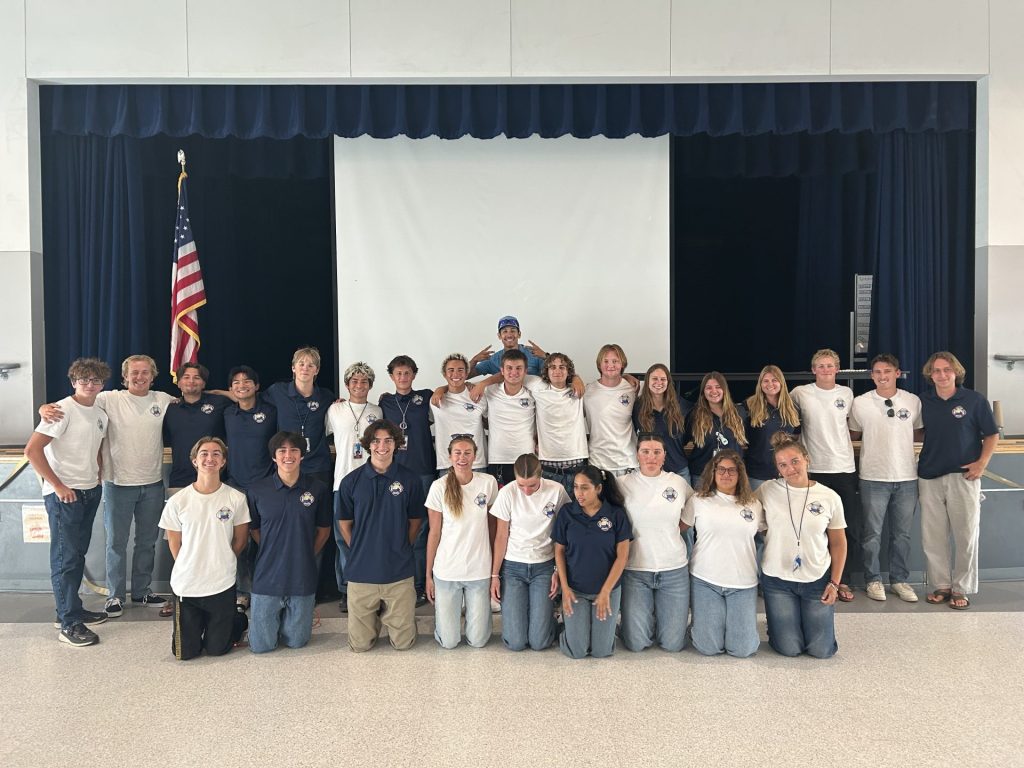
At the end of every July, senior staff conduct the Aquatics Division Leadership Academy, a week-long program designed to teach lifeguards about leadership through activities and teamwork. Participants gain hands-on experience and an understanding of what hiring managers look for.
Before applying, eligible candidates must have already worked a full summer and held an interest in taking a leadership position in the future. Once accepted, they must commit to a full week with activities and lessons Monday to Friday, explains Mary Welton, community services supervisor I for the City of Temecula.
Each year, senior lead lifeguards help plan and present the curriculum under the direction of City of Temecula aquatics supervisors. Using tools such as the 16 Personalities assessment, participants explore team dynamics and communication, learning how to give feedback and motivate others effectively.
“We’ll put out a CPR scenario,” Welton says, “and they have to identify what’s wrong and how to communicate that to their peers without berating someone.”
The final capstone project, which takes place on Friday, is a favorite among those who do the program, Welton says. It requires participants to plan and lead an in-service training session for staff under the supervision of the lead guards assigned to the program.
On that last day, participants also hear from a guest speaker about leadership. After completing the program, trainees leave with new insights into what it takes to operate pools, lead programs, and conduct staff training.
Leadership pipeline
In its four years of operation, the leadership program has become a valuable resource for existing and future leaders. Each summer, the previous year’s students take over as the next group’s teachers. Senior lead lifeguards continue building on their experience by mentoring the next group of prospective leaders. Participants leave with a better understanding of what it takes to be a leader and can make more informed decisions on when to apply for a promotion.
Typically, the program weeds out people who are not ready to step into leadership, Post says. “It opens up a conversation with them where they can start asking, ‘What do I need to work on?’”
About 80% of current lead lifeguards have completed the Academy. The experience helps new leaders transition smoothly into their roles with a stronger sense of purpose and professionalism.
“They come in with the mindset of what a lead guard’s role actually is,” says Welton. “It’s not just sitting behind a desk or walking around a pool deck. There’s a lot of mental strain that goes into it.”