
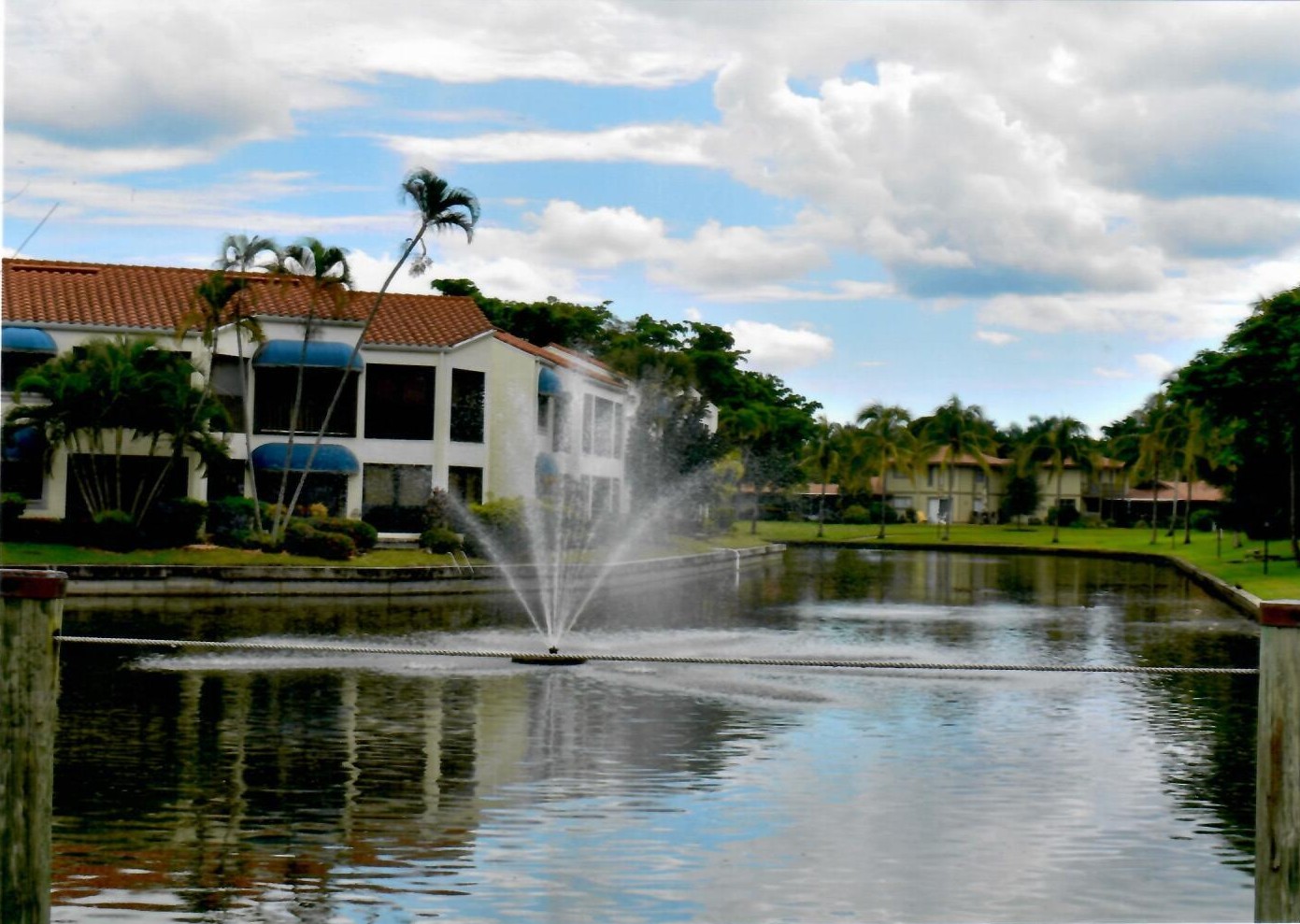
The surviving family of a toddler who fatally drowned in a neighborhood retention pond has received a $6 million settlement.
“This case underscores how multiple failures can converge to create a preventable tragedy — and why property owners must be
held accountable,” The Haggard Law Firm, based in Coral Gables, Fla.
As a condition of the settlement, the name of the child, family, other parties, and location of the incident cannot be disclosed.
In 2025, according to Haggard Law, the 26-month-old boy drowned in a retention pond directly behind his family’s apartment, merely a
month after moving in. Concerned about water hazards on the property, the family had asked for an upper-floor unit, but were
placed on the ground level adjacent to the pond. In addition, the family had requested the repair of a torn screen leading to the patio, but,
“The repair was not completed in a timely manner,” the attorneys said.
While his mother and other adult family members performed household chores, the law firm said, the toddler left through the broken patio screen, approached the retention pond, and drowned.
In addition to failure to perform repairs and ignoring a safety-based placement request, the legal team accused the property holders of
unsafe retention pond design, saying the floor slope was steeper than the 4:1 maximum ratio allowed by code and led quickly into deep water.
The defendants disputed this characterization, saying in part that the supervising adults lost track of the young boy for approximately
13 minutes and, therefore, bear at least part of the blame.
These bodies of water are becoming more common in housing developments, especially apartment complexes, HOAs, and
commercial properties, as ways to help manage runoff. Among potential hazards with retention ponds, the law firm lists overly
steep slopes, lack of barriers, poor visibility or lighting, proximity to the residences, and inadequate warning signage.